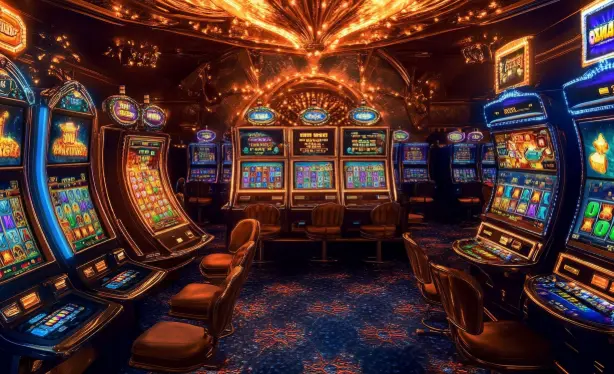
El Salvador Casino Room: Are Casinos Legal?
El Salvador's casino legal framework hinges on a single regulatory body and a licensing tier system that most operators completely misread. The Dirección General de Impuestos Internos, under the Ministry of Finance, issues gaming licenses through the Ley de Impuestos a los Juegos de Azar, and if you think that means open-season casino operation, you are dead wrong. The law permits specific room-based gaming activity, but the distinction between a licensed casino room and an illegal gambling den is razor-thin and enforced with real teeth.

The Licensing Architecture Nobody Bothers to Read
Casino rooms in El Salvador operate under a concession model, not a free-market registration. Operators must secure a license through the national gaming authority, and that license is tied to a physical venue that meets strict zoning and security requirements. The fine print matters: a casino room license does not automatically cover electronic gaming machines, sportsbook operations, or online wagering. Each vertical demands its own authorization. I have audited venues that thought their land-based concession covered everything from slot machines to live dealer tables, only to face shutdown orders because the license scope was narrower than their floor plan. 😤 The El Salvador casino room licensing framework is segmented, and treating it as a blanket permit is the fastest route to asset seizure.
What the Tax Code Actually Says About Legality
The Ley de Impuestos a los Juegos de Azar does not say "casinos are legal." It says specific gaming activities are taxable and therefore permitted when licensed. That is a critical legal difference. The law imposes a tax on gross gaming revenue, and the act of paying that tax creates a de facto legal shield. But here is the technical catch: if a casino room operator fails to remit taxes on a specific game type, that game type reverts to illegal status retroactively. The gaming license is not a permanent right; it is a conditional privilege tied to continuous tax compliance and regulatory reporting. Miss a filing, and your legal casino room becomes an illegal gambling operation overnight. 🎰
The Physical Room Requirement and Its Enforcement Loopholes
El Salvador law requires casino gaming to occur in a physically defined room with controlled access, surveillance, and audited accounting systems. This is not a suggestion; it is a structural mandate. Regulators conduct unannounced inspections, and the presence of gaming devices outside the licensed room perimeter triggers immediate sanctions. I have seen operators try to extend their casino room footprint by converting adjacent storage or restaurant space into gaming areas without amending their license. That maneuver is illegal under the statute and gets flagged during routine compliance sweeps. The physical room boundary is as legally binding as the license itself.

The Gray Zone of Online and Electronic Gaming
Here is where the El Salvador casino room discussion gets technically messy. The law was drafted for physical gaming rooms, and electronic gaming machines inside those rooms fall under the same concession. But online casino operations and remote wagering exist in a regulatory void that operators exploit aggressively. The government has signaled intent to regulate digital gaming, but as of the current enforcement posture, online casino activity lacks a clear licensing pathway. That does not make it legal; it makes it unregulated, which is a far more dangerous position legally. Unregulated activity can be retroactively criminalized without warning, and the casino room operators who assume their physical license extends to digital platforms are sitting on a liability time bomb. 💣
The Bottom Line on Casino Room Legality
Casino rooms are legal in El Salvador only when three conditions align: a valid concession from the national gaming authority, strict adherence to the licensed activity scope, and continuous tax compliance. Any deviation collapses the legal status instantly. The enforcement record shows regulators prioritize tax revenue and physical room integrity over operator convenience, and the penalty structure favors license revocation and asset forfeiture over fines. The moment a casino room operates outside its licensed scope or misses a tax remittance, the legal shield evaporates and the operation becomes criminalized under the same statute that authorized it.