The Evolution of Casino Braille Games for Blind Player Accessibility
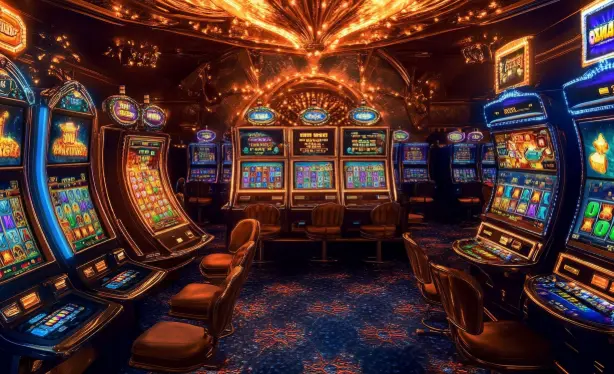
Casino Braille Games represent a groundbreaking intersection of tactile innovation and inclusive gaming design, fundamentally transforming how visually impaired patrons engage with land-based and digital gambling environments. 🎰 Modern regulatory frameworks, including those mandated by the Americans with Disabilities Act and equivalent international accessibility legislation, compel operators to integrate **Casino Braille Games** into their floor layouts, electronic terminals, and table game rotations. This isn't merely a compliance checkbox—it's a seismic shift in how the industry perceives non-visual sensory engagement.
Tactile Interfaces and Haptic Feedback in Braille Gaming Terminals
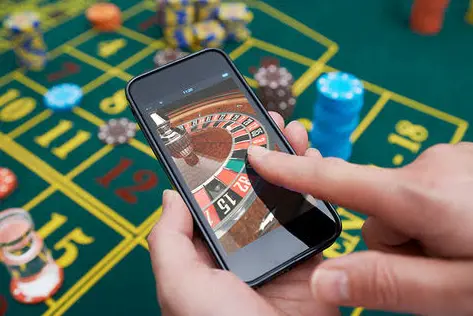
Advanced **Casino Braille Games** systems utilize refreshable Braille displays integrated directly into slot machine interfaces, video poker consoles, and roulette betting stations. These piezoelectric or electromagnetic actuators dynamically convert on-screen game states—credit balances, payline outcomes, bonus triggers—into Grade 2 Braille output within milliseconds. Haptic feedback mechanisms further enrich the experience by simulating reel spins, card deals, and chip placements through variable vibration patterns, allowing blind players to perceive game rhythm and momentum without visual cues.
Auditory Signatures and Multisensory Game State Broadcasting
Beyond tactile output, elite **Casino Braille Games** implementations synchronize spatial audio rendering with directional sound cues. A blind player at a blackjack table can distinguish dealer hand totals, insurance prompts, and split opportunities through distinct tonal frequencies and panning positions. Real-time text-to-speech engines, calibrated to casino ambient noise profiles, deliver granular updates on pot sizes, side bets, and progressive jackpot thresholds. This multisensory architecture ensures parity in decision-making speed and strategic depth between sighted and non-sighted participants.

Regulatory Compliance and Certification Standards for Accessible Gaming
Jurisdictions such as Nevada, New Jersey, and Macau have established rigorous certification protocols for **Casino Braille Games**. Testing laboratories evaluate refresh rates, Braille contraction accuracy, latency thresholds under peak network loads, and fail-safe redundancy during power fluctuations. Operators must document staff training on assisting blind patrons with Braille terminal navigation, including how to activate privacy modes that prevent shoulder-surfing of tactile readouts. Non-compliance risks license suspension and substantial fines, making accessibility infrastructure a board-level priority.
Strategic Advantages for Casino Operators and Player Retention
Integrating **Casino Braille Games** unlocks a demographic representing over 250 million visually impaired adults globally. Casinos deploying these systems report measurable increases in average visit duration among blind and low-vision patrons, alongside elevated table game participation rates. The technology also reduces reliance on human assistants, lowering labor costs while enhancing player autonomy and dignity. Forward-thinking operators now market their Braille-equipped floors as premium inclusive destinations, attracting advocacy groups, accessibility conferences, and positive press coverage that translates into brand equity.
Future Trajectories: AI-Driven Personalization in Braille Casino Interfaces
Emerging **Casino Braille Games** platforms incorporate machine learning models that adapt Braille output density and speech cadence to individual player preferences. Biometric sensors detect cognitive load through micro-tremors in finger positioning, automatically simplifying complex betting interfaces for novice blind players while preserving granular data streams for experienced high rollers. Cloud-based profile syncing allows a player's Braille layout preferences to follow them across multiple properties, creating seamless continuity in tactile user experience.
Operational Training and Floor Staff Competency Requirements
Deploying **Casino Braille Games** demands comprehensive staff reorientation. Dealers must learn verbal annotation protocols for card values and community pot compositions. Floor supervisors require certification in Braille terminal troubleshooting, including actuator jam resolution and firmware rollback procedures. Security teams need updated surveillance protocols that respect tactile privacy zones without compromising anti-cheat monitoring. Casinos investing in these competencies report fewer accessibility complaints and higher employee confidence when assisting blind patrons during high-stakes play.

Global Market Adoption and Cross-Border Accessibility Harmonization
From Las Vegas to Singapore to Monte Carlo, **Casino Braille Games** adoption varies by regulatory maturity and cultural attitudes toward disability inclusion. The European Union's Accessibility Act now mandates Braille-compatible gambling terminals in all new casino developments exceeding 500 square meters. Meanwhile, Asian markets are piloting hybrid Braille-audio kiosks for baccarat and sic bo, accommodating both blind and low-vision players within the same footprint. Harmonization efforts by the International Gaming Standards Association aim to create universal Braille command sets, reducing manufacturer fragmentation and accelerating global rollout.
Player Advocacy and Co-Design in Braille Gaming Development
Leading manufacturers now embed blind player advocacy groups directly into **Casino Braille Games** design sprints. Co-design sessions reveal critical insights: Braille cell spacing must accommodate diverse finger sizes, tactile buttons require distinct force-displacement curves to prevent accidental activation, and audio-tactile synchronization tolerances must remain under 50 milliseconds to preserve game fairness perception. These collaborations yield interfaces that blind players describe as intuitive within minutes, a stark contrast to legacy accessibility retrofits that felt clunky and afterthought-driven.
Economic Modeling and ROI for Braille-Enabled Casino Floors
Financial analysts project that **Casino Braille Games** installations achieve break-even within 18 to 24 months, driven by increased visit frequency among blind patrons and their companions. Ancillary spending—dining, entertainment, hotel stays—rises proportionally when accessibility barriers fall. Casinos that position Braille gaming as a flagship amenity also benefit from reduced legal exposure and preferential treatment in municipal licensing reviews. The ROI extends beyond direct gaming revenue into reputational capital, talent acquisition, and partnership opportunities with disability-focused organizations.
As the global gaming industry converges on universal design principles, **Casino Braille Games** stand as both ethical imperative and commercial catalyst. Operators who act now will define the tactile future of inclusive wagering, while laggards face regulatory headwinds and reputational erosion. The braille revolution on the casino floor is not a distant horizon—it's happening at this very moment, cell by tactile cell. ♿